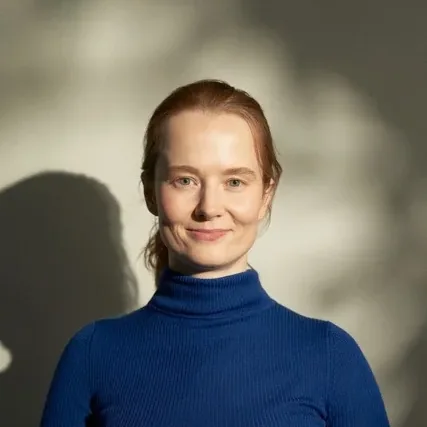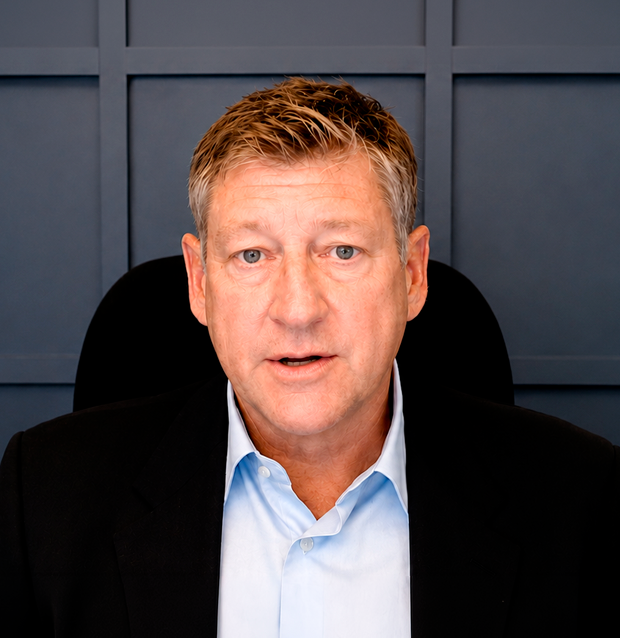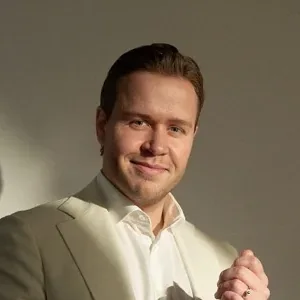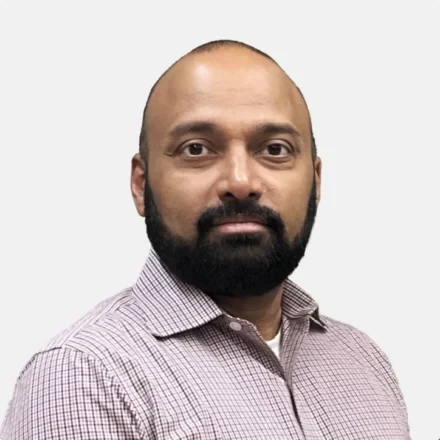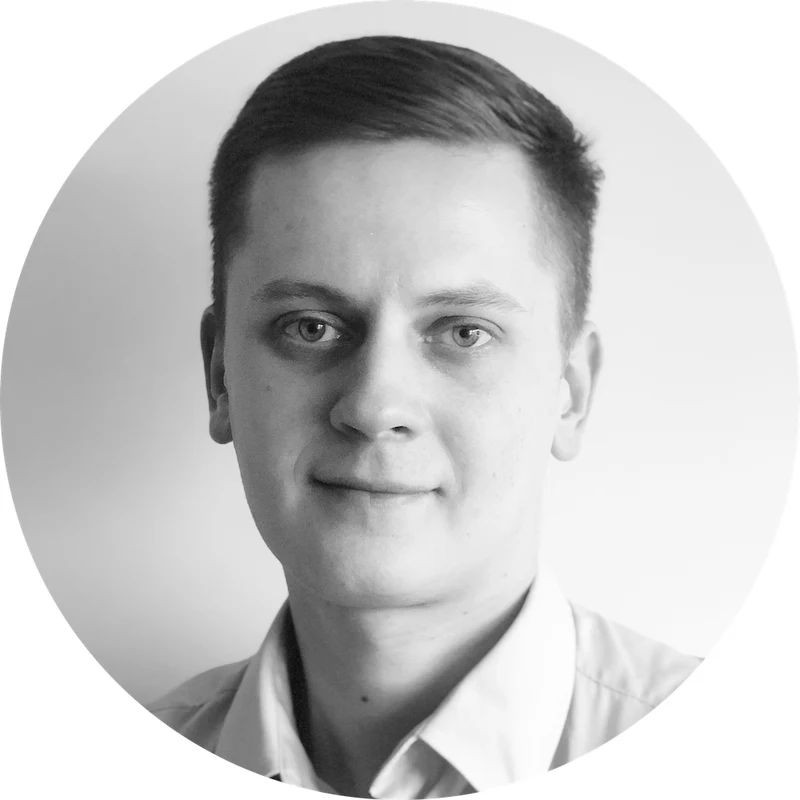
Domantas Ciulde is co-founder and chief executive of iDenfy, the Kaunas, Lithuania, company that checks customers' ID documents and faces and screens them for money laundering risk on behalf of businesses. He started it with a childhood friend to fight credit card fraud, and built it from a prototype that could read passports from a single country.
Childhood Friends and a First Prototype
He and co-founder Gediminas Ratkevicius grew up in the same neighbourhood. The idea came in 2015 as a way to fight card fraud, and after studying the problem they concluded that checking identity was the best defence. They spent a long time learning computer vision and machine learning before building a prototype. It could read passports from only one country, but in 2016 it won iDenfy its first clients, who later became its first investors.
The first employee, Laimonas, left a well-paid job at a large technology company to join a team of two, while the founders worked without pay from a corner office of six square metres. The name has its own small joke. "All search engines, proofing tools are detecting 'iDenfy' as a word with a mistake and auto converting it to identity," he has said.
Paying Only for Success
iDenfy set out to compete on price and engineering. It charged only for successful verifications, with fake, failed and unfinished checks free, and he put the money into the product. "We invested not in marketing, but into technology development," he said in 2020, describing an ambition to become something like Salesforce for fraud prevention, with tools against terrorist financing, money laundering, human trafficking and online fraud.
Machines and People
He has argued that fully automated checks were a mistake many companies made early on. In a 2021 column he argued that trained AI should still do the checking, because no human team could review that volume, while professionals oversee the process to catch errors. Screening against sanctions and politically exposed person lists, and flagging anonymous IP addresses, help banks decide which customers need a closer look.
The two friends from the same Kaunas street started with a single country's passports and a six-square-metre office. The company they built still runs on the bet they made then: that a careful machine with a person watching it beats either one alone.