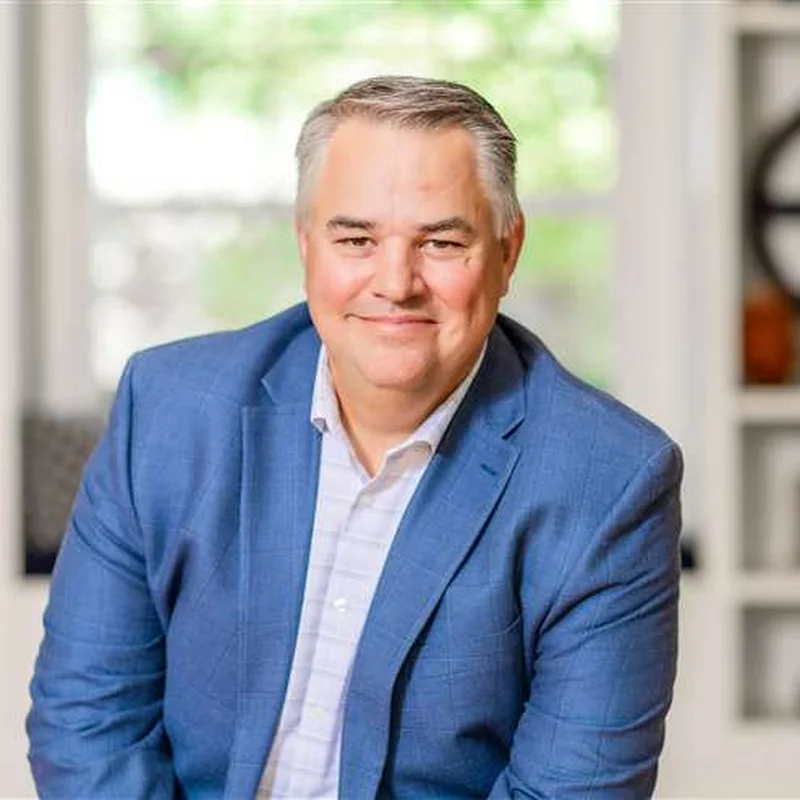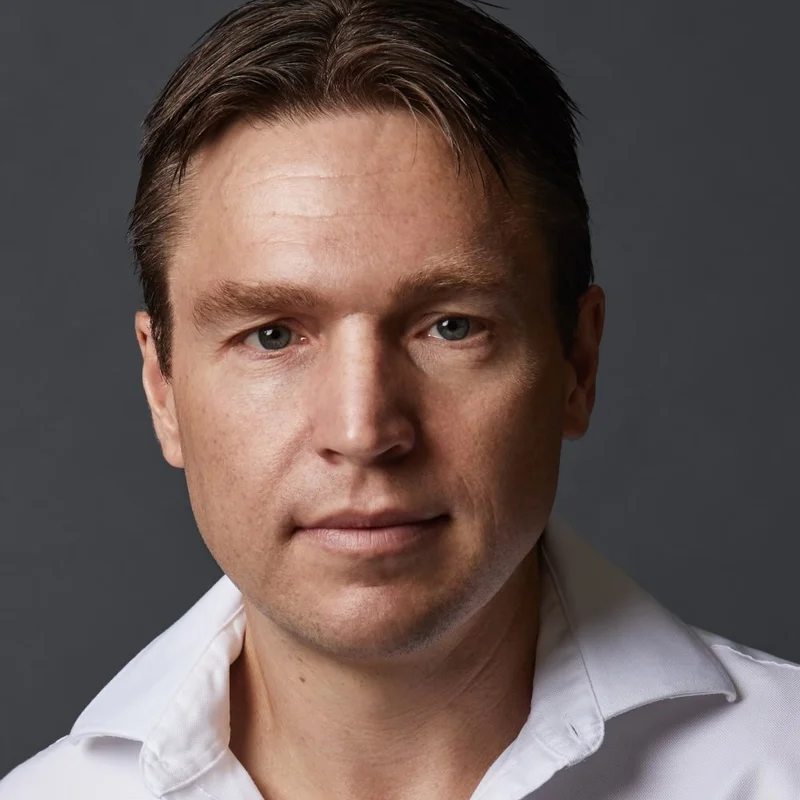
Dave Excell is the founder of Featurespace, the Cambridge, England, company whose software helps banks and payment firms catch fraud and money laundering. He started it in 2008 to turn his doctoral research on human behaviour into a product, and Visa bought it in December 2024.
Robots in a Computer Game
During his PhD at the University of Cambridge he worked with Professor Bill Fitzgerald, applying machine learning and statistics to human behaviour. Companies brought the group problems they could not solve, and he noticed that most of them came down to understanding the intent behind the data, especially when someone was trying to cheat. In one project they modelled the decisions of players in a computer game to tell genuine players from robots gaming the system. The more projects he did, the clearer it became that the cheaters kept changing their behaviour to avoid detection, so the models had to adapt too.
That idea became Adaptive Behavioral Analytics, the first core technology of Featurespace. He has said he does not enjoy research for its own sake. What drives him is taking a technology to a practical problem and making it pay.
Learning What Good Looks Like
Older fraud systems learned known patterns of bad behaviour and looked for them again, which worked only until fraudsters changed tactics. His approach turned that around: the model learns what normal behaviour looks like for each customer and flags changes from it. There is far more good behaviour in the world than bad, he points out, so there is more to learn from, and trying to detect only known fraud "is a losing game." Featurespace later added Automated Deep Behavioral Networks, which use a recurrent neural network design that understands the timing of transactions.
The test came in 2020, when COVID lockdowns changed how people shopped overnight. Fixed fraud models blocked people buying groceries from home; the adaptive ones adjusted. Featurespace's technology was by then behind the TSYS Foresight Score and Worldpay's FraudSight, and NatWest saw fraud and scam detection rise and false alarms fall within a day of switching on its ARIC Risk Hub.
Joining Visa
When Visa completed the purchase, he said, "We developed our innovations to help crack even the most complex fraud cases. As part of Visa, we will be able to set a new standard in AI-powered fraud prevention."
He began by teaching a computer to spot robots pretending to be gamers in a Cambridge lab. Sixteen years later the same idea, learn the genuine and watch for the change, runs inside one of the world's largest card networks.